Where data science and
medical science meet.
DatChem reads the chemistry of human tissue on the installed base of MRI scanners, detecting disease in transition, years before current methods can.
Non-invasive, objective evaluation across breast and ovarian cancer risk, PTSD, pain and blast trauma.

One chemistry-first platform, seven clinical needs.
Each solution reads the same tissue-chemistry signal through our Intelligence Framework, adding minutes to a standard MRI, no biopsy and no new hardware.
DatChem-Breast
Predicts the risk of an asymptomatic woman developing breast cancer, before it can be seen by current imaging.
ExploreDatChem-Ovary
Determines whether a tumour is benign or malignant, guiding surgical decisions without a biopsy.
ExploreDatChem-PTSD
The first objective biomarker test for post-traumatic stress disorder.
ExploreDatChem-ADHD
An objective test for adult ADHD, recording the pathways behind it, and which respond to medication.
ExploreDatChem-Pain
Objective measurement of pain and treatment response, beyond today's questionnaires.
ExploreDatChem-Blast
Identifies biomarkers and pathways affected by blast and blunt-force brain trauma.
ExploreDatChem-Pharma
Objective proof of therapeutic response, known within 48 hours, to support FDA, TGA and EMA submissions.
ExploreSee the full platform
How one signal serves every clinical need.
All solutionsThe world leader in MR data mining of tissue chemistry.
We don't build new scanners. We extract a chemical signature from tissue using existing MRI machines, then interpret it against exclusive clinical databases, turning an everyday scan into a window on disease before it forms.
Patient scan
A short sequence added to a standard MRI captures raw spectral data, no contrast, no biopsy.
Data capture
Raw data is transmitted securely to the DatChem cloud, with sovereignty respected region by region.
Data mining
The chemical signature is extracted and compared against our exclusive databases via the Intelligence Framework.
Physician report
The clinician receives a clear report on disease likelihood and treatment options, in minutes.
Four ways DatChem changes the picture.
Earlier diagnosis
Detect disease in transition, years before it becomes visible to current imaging or palpable to the hand.
Personalised medicine
Each patient becomes their own control across repeat scans, enabling care tailored to the individual.
Treatment optimisation
Objectively monitor whether a therapy is working, or isn't, and adjust with confidence.
Unmet clinical needs
Objective answers where only subjective tools exist today, from pain to PTSD to ovarian diagnosis.
Seeing breast cancer before it forms.
DatChem-Breast identifies breast tissue in transition to a cancer up to a decade ahead of current imaging, adding 15 minutes to a routine MRI.
- Early options. Time to evaluate treatment while there is room to act.
- Her own control. Serial scanning makes risk personal, not statistical.
- Non-invasive. No biopsy, no contrast, just chemistry.
In the high-risk cohort, 32 of 33 cancers were correctly predicted, all on the very first scan.
DatChem's technologies are undergoing regulatory evaluation (TGA, FDA and EMA) and are not yet approved for routine clinical use in all markets.
Three decades of pioneering science.
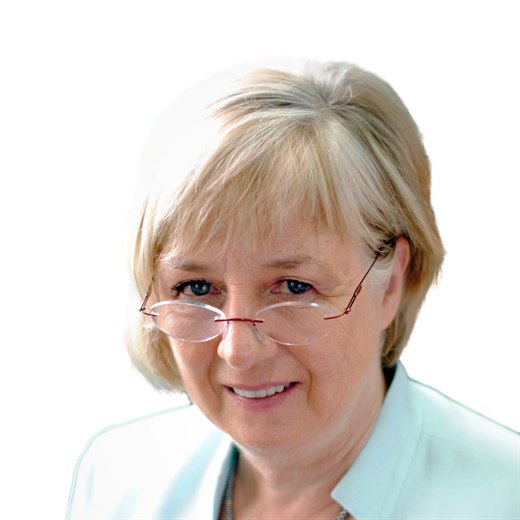
Carolyn Mountford
A world authority in magnetic resonance spectroscopy, Carolyn has spent her career decoding the chemistry of human tissue, the science at the heart of DatChem.
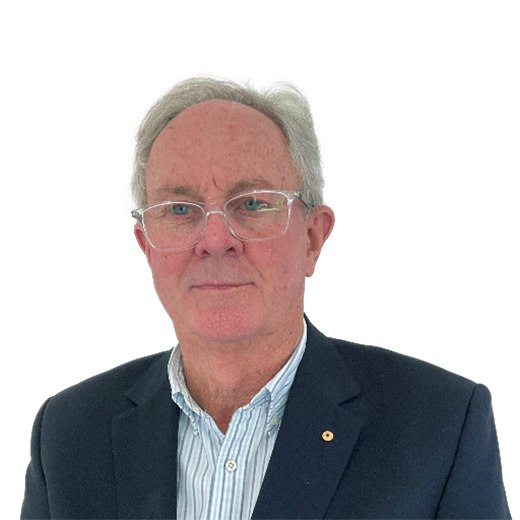
Peter Malycha
A distinguished surgeon and clinical leader, Peter grounds DatChem's science in real patient outcomes and decades of operative experience.
Partners in the science.







The latest from DatChem.
Featured video · DatChem
Siemens Healthineers LOI signed
A letter of intent to launch DatChem products on Siemens MRI systems formalises a relationship 25 years in the making.
Read moreLongitudinal breast study completed
A 12-year validation study reports 32 of 33 cancers correctly predicted in the high-risk cohort, all on the first scan.
Read morePTSD & blast trial completed
A clinical trial funded by the USA CTTSO records up to five dysfunctional neural pathways, an objective first.
Read moreFrequently asked.
Better care through DatChem.
For clinical, commercial or partnership enquiries, we'd be glad to hear from you.